The following includes select facts from life science history, both global and Pennsylvania state specific,
that help explain the origins of the state's life science industry. Please note that these facts are part of a much larger state-specific
history database that will be launched in the near future. In the meantime, we encourage you to learn about the scientists behind
the discoveries, the entrepreneurs, philanthropists, political leaders, and significant events, institutions
and companies that are the foundation of the life science industry in the state of Pennsylvania.
If you are aware of a notable event, person, organization/company or accomplishment that we should include,
please e-mail us at: Suggestions@InfoResource.org
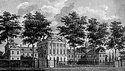
1751 -- University of Pennsylvania was founded.
In 1749 in Philadelphia, Benjamin Franklin presented his vision of a school in a pamphlet
titled Proposals for the Education of Youth in Pensilvania. Unlike other American Colonial
colleges, the new school would not focus on education for the clergy. Instead, it would prepare
students for lives of business and public service. The proposed program of study would become
the nation's first modern liberal arts curriculum.
More than 250 years later, The University of
Pennsylvania continues to blaze trails in education. It is home to the
nation's first medical school, which added as early as 1874, a university teaching hospital.
The University is also the birthplace of technological invention. In 1946, Penn introduced
ENIAC, the world's first electronic, large-scale, general-purpose digital computer.
1751 -- The Nation’s first hospital, Pennsylvania Hospital, was founded in Philadelphia.
Since its founding by Benjamin Franklin and Dr. Thomas Bond,
Pennsylvania Hospital has been an innovator in
patient care, treatment techniques and medical research. The facility, part of the University
of Pennsylvania Health System, offers a full-range of diagnostic and therapeutic medical
services and is a major teaching and clinical research institution.
1830 -- John K Smith opened a drugstore in Philadelphia (GlaxoSmithKline).
John K Smith opens his first drugstore in Philadelphia, and is soon joined by his younger
brother to form John K Smith & Co. -- now known as
GlaxoSmithKline. In 1865, Mahlon
Kline joins Smith as a bookkeeper, and as he assumed additional responsibilities
he was rewarded in 1875 when the company was renamed Smith, Kline & Company.
In 1891, Smith, Kline & Company acquires French, Richards & Company which provided
the company a larger portfolio of consumer brands, and in 1929 the company was again
renamed Smith Kline & French Laboratories and was refocused on research.
In 1952, Smith Kline & French introduced the first time-released medicine,
Dexedrine (dextroamphetamine sulfate) marketed and used in a Spansule -- a new form of
drug delivery, and in 1960 the company launched Contac, the cold remedy, using the
Spansule to release an initial major therapeutic dose, followed by numerous smaller doses,
over 10-12 hours. In 1982, SmithKline acquires Allergan, an eye and skincare business,
and merged with Beckman Instruments and was renamed SmithKline Beckman, and in
1988 SmithKline acquired one of its largest competitors, International Clinical
Laboratories which increased the company's size by half and established SmithKline
BioScience Laboratories as the industry leader.
In 1989, SmithKline Beckman and The Beecham Group merged to form SmithKline
Beecham, and in 1991 SmithKline Beecham moved its global headquarters to New
Horizons Court located in Brentford, England. In 2000, SmithKline Beecham merged
with Glaxo Wellcome creating GlaxoSmithKline that today is one of the world’s leading
research-based pharmaceutical and healthcare companies.
1848 -- American Association for the Advancement of Science was founded.
American Association for the Advancement of Science founded in 1848
marked the emergence of a national scientific community in the United States, and was the first organization
established to promote the development of science and engineering at the national level and to represent the interests of
all its disciplines.
Today, the AAAS serves nearly 300 affiliated societies and academies of science and publishes the
peer-reviewed general science journal Science. The non-profit AAAS is open to all and fulfills its mission to "advance
science and serve society" through initiatives that include science policy, international programs, science education,
and public understanding of science.
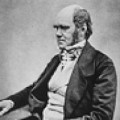
1859 -- Charles Darwin published "The Origin of Species."
In 1859, British naturalist Charles Darwin published "On the Origin of Species by Means of
Natural Selection, or the Preservation of Favoured Races in the Struggle for Life"
in which he postulated his theory of evolution that explained how the diverse of
species on Earth evolved from a simple, singled-celled ancestor.
Darwin's theory of evolutionary selection holds that variation within species occurs randomly
and that the survival or extinction of each organism is determined by that organism's ability
to adapt to its environment. Darwin's theory of evolution remains the foundation of modern
biology.
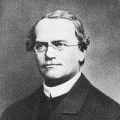
1865 -- Gregor Mendel, the father of modern genetics, presented his laws of heredity.
Gregor Mendel, an Augustinian considered the father of modern genetics,
conducted crossbreeding experiments with pea plants between 1856 and 1863. Through this work,
he established many of the rules of heredity.
"In 1859 I obtained a very fertile descendant with large, tasty seeds from a first generation
hybrid. Since in the following year, its progeny retained the desirable characteristics
and were uniform, the variety was cultivated in our vegetable garden, and many plants were
raised every year up to 1865. (Gregor Mendel to Carl Nägeli, April 1867).
1887 -- Marine Hospital Service Hygienic Laboratory (National Institutes of Health) was founded.
The National Institutes of Health (NIH) traces its roots to 1887,
when a one-room laboratory was created within the Marine Hospital Service (MHS), predecessor agency to the
U.S. Public Health Service (PHS). The MHS was established in 1798 to provide for the medical care of
merchant seamen -- charged by Congress with examining passengers on arriving ships for clinical signs of
infectious diseases, such as cholera and yellow fever, to prevent epidemics.
During the 1870s and 1880s, scientists in Europe presented compelling evidence that microscopic organisms
were the causes of several infectious diseases, and MHS officials closely followed these developments.
In 1887, Joseph Kinyoun, a MHS physician trained in the new bacteriological
methods, set up a one-room laboratory in the Marine Hospital at Stapleton, Staten Island,
New York. Kinyoun called this facility a "laboratory of hygiene" in imitation of German facilities, and within
a few months, he identified the cholera bacillus and used his Zeiss microscope to
demonstrate it to his colleagues as confirmation of their clinical diagnoses
(Photo: courtesy of the NIH Almanac).
1897 -- Pocono Biological Laboratories was established in Swiftwater.
Pocono Biological Laboratories established in Swiftwater by Dr. Richard Slee
to produce the first of a new kind of smallpox vaccine. Dr. Edward Jenner’s vaccine had greatly
reduced the death rate from smallpox, but until the late 1800's the smallpox vaccine in the U.S.
was produced in unsanitary conditions that caused serious side effects in patients. Public
backlash caused gains in inoculating the masses to erode. Dr. Slee, who was working as an
assistant to Dr. George Sternberg in Brooklyn was dispatched to the Pasteur Institute in
France to acquire a new formula that promised fewer side effects. The Pasteur Institute had
mixed the mild disinfectant glycerin with the vaccine virus.
Slee's report was so positive that Sternberg suggested he establish his
own laboratory to manufacture the glycerinated product. Slee had earlier contracted cholera
and recouperated at the Swiftwater Inn in the Pocono Mountains, regaining his
health and forming a relationship with the innkeeper's daughter. They married in 1893, and
Slee used the 4.3 acres near the Inn to build his lab, and laid the cornerstone to the first
building in 1897.
Ownership changes over the years led
to the acquisition of the Swiftwater facility by Connaught Laboratories of Toronto, Canada
in 1978. In 1989, Connaught Laboratories was acquired by Institut Mérieux S.A. which was
purchased acquired by Rhône-Poulenc S.A. in 1994. Today, the Swiftwater facility owned by
Sanofi Pasteur continues to play an important
role in the company's public health initiatives.
(Suggested Reading: The Spirit of
Swiftwater: 100 Years at the Pocono Labs by Jeff Widmer)
1902 -- The Biologics Control Act was established.
The Biologics Control Act, established in 1902, had major consequences for the Hygienic Laboratory. It charged
the laboratory with regulating the production of vaccines and antitoxins, making it a regulatory agency
four years before passage of the 1906 Pure Food and Drugs Act. The danger posed by biological products that had
emerged from bacteriologic discoveries resulted from their production in animals and their administration by
injection. In 1901, thirteen children in St. Louis died after receiving diphtheria antitoxin contaminated
with tetanus spores. This tragedy spurred Congress to pass the Biologics Control Act, and between 1903-1907
standards were established and licenses issued to pharmaceutical firms for making smallpox and rabies vaccines,
diphtheria and tetanus antitoxins, and various other antibacterial antisera. (In 1972, responsibility
for regulation of biologics was transferred to the Food and Drug Administration).
The Marine Hospital Service (MHS), established in 1798, was reorganized in 1912
and renamed the Public Health Service (PHS). The PHS was authorized to conduct research into
noncontagious diseases and into the pollution of streams and lakes in the U.S. During
World War I, the PHS attended primarily to sanitation of areas around military bases in the
U.S., and when the 1918 influenza pandemic struck Washington, physicians from the
laboratory were pressed into service treating patients in the District of Columbia because
so many local doctors had fallen ill.
1904 -- American Oncologic Hospital (Fox Chase Cancer Center) was founded.
American Oncologic Hospital (Fox Chase Cancer Center) charterd in
November 1904 as the nation's first cancer hospital, called American Oncologic Hospital. Since its modest start in a
West Philadelphia Victorian home, the institution has remained a national leader in cancer care. The Hospital was
built on the vision and optimism of 13 business and professional men, including a number of physicians, who were
concerned about rising cancer rates in Philadelphia. At that time, cancer was widely considered incurable.
During this time, many discoveries in cancer research were made by Fox Chase scientists, including the hepatitis B
vaccine, developed in the laboratory of Baruch S. Blumberg, MD, PhD. Dr. Blumberg is accompanied by Fox Chase scientist
Irwin A. "Ernie" Rose, PhD. as a laureate of the prestigious Nobel prize. The advances made by Fox Chase doctors have
contributed to the availability of improved cancer treatments, not only at Fox Chase, but around the globe.
Today, the 100-bed Hospital of Fox Chase Cancer Center remains one of the few facilities in the country devoted
entirely to cancer care. It is nationally recognized for its leadership in medical, radiation and surgical oncology.
1918 -- Spanish Influenza Pandemic.
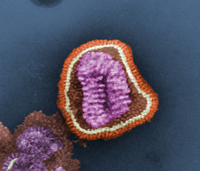
It is estimated that between 25 and 40 million people died
from the the influenza outbreak that began in 1918, swept across America in a week and
around the world in three months. In all, between 500,000 and 700,000 Americans
--civilians and soldiers-- died from the influenza, more than were lost in World War I,
II, and the Korean and Viet Nam wars combined.
The first case of influenza diagnosed in Philadelphia was reported on September 18, 1918
at the Navy base. By the next day, 600 sailors were diagnosed, and the first civilian
patients were arriving at area hospitals. By the spring of 1919, it was estimated
there were 12,191 deaths in Philadelphia alone (of a population of 1.7 million).
By October 25th, the official estimates for the state were 350,000 reported cases,
with 150,000 of them coming from Philadelphia. The city’s death rate from influenza,
at approximately 407 per 100,000 people, exceeded that of all other American cities in 1918.
1930 -- The name of the Hygienic Laboratory was changed to the National Institute of Health.
In 1930, the Ransdell Act changed the name of the Hygienic Laboratory to the National Institute
of Health (NIH) and authorized the establishment of fellowships for research into basic biological and medical
problems. The roots of this act extended to 1918, when chemists who had worked with the Chemical Warfare
Service in World War I sought to establish an institute in the private sector to apply fundamental knowledge
in chemistry to problems of medicine.
1933 -- Thomas Hunt Morgan was awarded Nobel Prize in Physiology or Medicine for his
chromosome theory of heredity.
Thomas Hunt Morgan pioneered the new science of genetics through experimental
research with the fruit fly (Drosophila), laying the foundations for the future of biology. On
the basis of fly-breeding experiments he demonstrated that genes are linked in a series on
chromosomes and that they determine indentifiable, hereditary traits.
1937 -- The National Cancer Institute was created.
In 1937, the National
Cancer Institute (NCI) was created with sponsorship from every Senator in Congress, and was authorized
to award grants to nonfederal scientists for research on cancer and to fund fellowships at NCI for young
researchers.
Today, the NCI, part of the National Institutes of Health, is the federal government's
principal agency for cancer research and training.
1944 -- Public Health Service Act was established.
The 1944 Public Health Service Act defined the shape of medical research in the post-war world.
The entire NIH budget expanded from $8 million in 1947 to more than $1 billion in
1966, now fondly remembered as "the golden years" of NIH expansion. The 1944 PHS Act
authorized NIH to conduct clinical research, and after the war Congress provided funding to
build a research hospital, now called the Warren Grant Magnuson Clinical Center on the
NIH campus in Bethesda, Maryland. The Center which opened in 1953 with 540 beds
was designed to bring research laboratories into close proximity with hospital wards in
order to promote productive collaboration between laboratory scientists and clinicians.
The NIH today, part of the U.S. Department of Health and Human Services, is the primary Federal agency
for conducting and supporting medical research and is composed of 27 Institutes and Centers, providing
leadership and financial support to researchers in every state and throughout the world.
1947 -- Transistor was invented at AT&T's Bell Laboratories.
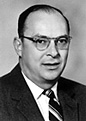
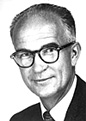
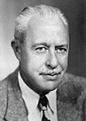
The transistor, the invention that marked the dawn of the
information age, was invented by John Bardeen, William Shockley and Walter Brattain at AT&T's Bell Laboratories. Bardeen,
Shockley and Brattain were awarded the 1956
Nobel Prize in Physics for their discovery of the transistor effect.
Transistors have become an invisible technology that is
part of almost every electronic device. Every major information age innovation was made
possible by the transistor and its application can be found all around us.
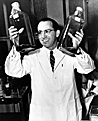
1952 -- First polio vaccine was created by Dr. Jonas Salk at the University of Pittsburgh.
IPV (Inactivated Polio Vaccine), also called the Salk vaccine, was developed by Dr. Jonas
Salk in 1952. The vaccine was a clear, colorless sterile suspension for subcutaneous injection.
IPV contained strains of the 3 types of polioviruses (Types 1, 2, and 3), originally grown in
monkey kidney cell culture and inactivated by exposure to formaldehyde.
Clinical trials of IPV began in 1954, and the results were dramatic: the cases of polio
in the vaccinated test groups fell amazingly, and permission for IPV distribution was
quickly granted by the U.S. government in 1955.
1953 -- Double helix structure of DNA was revealed.
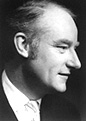
The double helix structure of DNA, the hereditary molecule is revealed by
two scientists, James D. Watson and Francis Crick. This is one of the key
discoveries of the century. Watson and Crick shared the 1962
Nobel Prize for Physiology and Medicine with Maurice Wilkins for their discoveries
concerning the molecular structure of nuclear acids and its significance for information
transfer in living material.
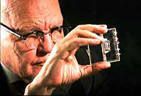
Jack Kilby, an engineer at
Texas Instruments shows only a transistor and other components on a slice of
germanium. This invention (7/16-by-1/16-inches in size), called an integrated
circuit, revolutionized the electronics industry. Kilby was awarded
the 2000 Nobel Prize in
Physics for his invention of the integrated circuit.
(Photo: Jack Kilby courtesy of Texas Instruments)
Jack Kilby went on to pioneer military, industrial, and commercial applications of
microchip technology. He headed teams that built both the first military system and the
first computer incorporating integrated circuits. He later co-invented both the hand-held
calculator and the thermal printer that was used in portable data terminals.
Mr. Kilby officially retired from TI in 1983, but he maintained a significant involvement
with the company throughout his life.
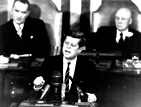
1961 -- President John F. Kennedy expanded the U.S. Space Program
Listen to President John F. Kennedy's speech in
his historic message to a joint session of the Congress, on May 25, 1961 declared,
"...I believe this nation should commit itself to achieving the goal, before this decade
is out, of landing a man on the Moon and returning him safely to the Earth." This goal was
achieved when astronaut Neil A. Armstrong became the first human to set foot upon the
Moon at 10:56 p.m. EDT, July 20, 1969. Shown in the background are, (left) Vice
President Lyndon Johnson, and (right) Speaker of the House Sam T. Rayburn. The expansion of
the U.S. Space Program resulted in the development of a wide range of technology with
enormous benefit to human and animal kind.
(Photo: courtesy National Aeronautics & Space Administration)
1962 -- "Silent Spring" published by Rachel Carson.
Rachel Carson who published
Silent Spring
which launched the modern environmental movement was born in Springdale in 1907,
and her childhood in southwestern Pennsylvania nurtured a love and respect for nature which
would guide her the rest of her life. Silent Spring warned of the dangers of indiscriminate
pesticide use.
Carson graduated from Pennsylvania College for Women (now Chatham College) in 1929,
studied at the Woods Hole Marine Biological Laboratory, and received her MA in zoology
from Johns Hopkins University in 1932.
The Rachel Carson Homestead Association was was formed in 1975 to preserve and
restore her birth place as a National Register historic site, and to offer education
programs which advance Rachel Carson's environmental ethic.
(Silent Spring Published by Mariner Books, 40th Anniversary edition. 2002.)
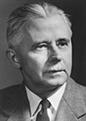
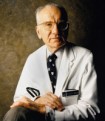
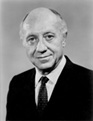
1967 -- Haldan Keffer Hartline was awarded Nobel Prize in Medicine.
In studies of the horseshoe crab around 1950, Keffer Hartline analyzed how the primary
signals from visual cells are processed in a network of nerve cells. Among other things,
he showed that when a cell is stimulated, signals from surrounding cells are suppressed.
This made it easier to understand the concept of contrasts.
1969 -- Man walked on the moon.
In July of 1969, Neil Armstrong and Buzz Aldrin, American astronauts, made
history by becoming the first men to walk on the moon.
Listen to Neil Armstrong's first words as he steps onto the lunar
surface (66 kb .wav file). Photo: Courtesy of the National Aeronautics & Space Administration)
An important benefit of the Apollo Lunar Program and
other NASA programs is the ever-growing pipeline of technology that improves human and
veterinary healthcare diagnostics and therapeutics.
1969 -- Victor McKusick published "Mendelian Inheritance in Man".
Victor McKusick, widely acknowledged as the father of medical genetics, spent his career studying
the genetic basis of diseases and disorders with the belief that such an understanding could lead
to new methods of diagnosis and treatment. He studied, identified, and mapped genes responsible for
inherited conditions such as Marfan syndrome and dwarfism (specifically in Amish communities).
In 1969, he proposed the idea of mapping the human genome, over 30 years before the Human
Genome Project was established.
McKusick, a graduate of Johns Hopkins (M.D. 1946), spent his entire career there and founded
the Division of Medical Genetics in 1957, the first research center and clinic of its kind. In
1969 he published the 1st edition of his
book "Mendelian Inheritance of Man",
one of the most comprehensive collections of inherited disease genes. In 2002, McKusick received the
highest scientific honor in the U.S., the National Medal of Science.
1971 -- NASDAQ Stock Market was founded.
NASDAQ Stock Market was founded as the world's first electronic stock market by the
National Association of Securities Dealers. The NASDAQ system, created by the Bunker Ramos
Corp. allowed the financial community, for the first time, to determine which market
offered the best price on a given security.
1971 -- President Nixon declared war on cancer creating the Cancer Centers Program of the National Cancer Institute.
On Dec. 23, 1971, the National Cancer Act of 1971, enacted by President Richard Nixon as part of the
nation’s war on cancer, established the Cancer Centers Program of the National Cancer Institute.
The National Cancer Act, "The War on Cancer," gave the NCI unique autonomy at NIH with special budgetary authority.
The annual budget of NCI, called the bypass budget, be submitted directly to the president, bypassing traditional
approval by the NIH or the Department of HHS required of other NIH institutes.
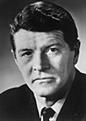
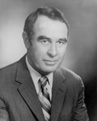
1972 -- Christian Boehmer Anfinsen was awarded Nobel Prize in Chemistry.
Dr. Anfinsen studied the enzyme ribonuclease, which divides RNA into smaller components. In 1961, he proved that
the sequence of amino acids, in itself, determines the way the chain folds itself and that no additional genetic
information is required in this process.
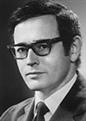
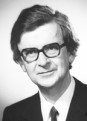
1972 -- Gerald Maurice Edelman was awarded Nobel Prize in Medicine.
Edelmann and Porter separately researched the chemical composition of antibodies. Using various chemical methods,
they split up antibodies into smaller parts and mapped their biological effects. In 1959, this allowed them to
determine the structure of antibodies. Antibodies are made up of two smaller and two larger polypeptide chains
that form a Y-shaped structure.
1973 -- Recombinant DNA was perfected.
The modern era of biotechnology begins when Stanley Cohen of Stanford University and Herbert Boyer of the University of
California at San Francisco successfully recombined ends of bacterial DNA after splicing a toad gene in between. They
called their accomplishment recombinant DNA, but the media preferred the term genetic engineering.
(Photo: Courtesy Stanley Cohen)
Boyer and Cohen's achievement was an advancement upon the techniques developed by Paul Berg, in 1972,
for inserting viral DNA into bacterial DNA. Cohen's research at Stanford was with plasmids—the nonchromosomal, circular
units of DNA found in, and exchanged by, bacteria, while Boyer's was restriction enzymes produced by bacteria to counter
invasion by bacteriophages.
1973 -- Penn Medicine's Cancer Center (Abramson Cancer Center) was founded.
Penn Medicine's Cancer Center was formally established
in 1973, by a dedicated group of cancer specialists committed to offering cancer patients the newest and most
innovative therapeutic advances. Originally its goal was to demonstrate that with appropriate therapy cancer
patients could be cured of their disease.
In June 2002, the Cancer Center was renamed the Abramson Cancer Center of the University of Pennsylvania in recognition
of the extraordinary support of Leonard and Madlyn Abramson and family. Abramson's wife, Madlyn is a cancer survivor,
and the couple pledged $100 million to build the Abramson Cancer Research Institute. Leonard Abramson, founder
and CEO of U.S. Healthcare, is a major philanthropist in the Philadelphia area and headed U.S. Healthcare
from 1975-1996 until it was sold to Aetna for $8.3 billion.
The Abramson Cancer Center is one of a select group of cancer centers in the country awarded the prestigious
designation of Comprehensive Cancer Center by the National Cancer Institute. This status, which has been awarded to
the Abramson Cancer Center continuously for the past 30 years, reflects their outstanding research, clinical services,
education services and community outreach. Today, the Cancer Center has expanded to over 300 faculty
organized in divisions that seek to prevent, diagnose and cure cancer through the development of new knowledge, diagnostic
tests and therapies.
1974 -- Employee Retirement Income Security Act of 1974 (ERISA) was enacted.
John N. Erlenborn, the ranking Republican on the House Committee, was responsible for
bringing the Employee Retirement
Income Security Act of 1974 (ERISA) to a floor vote, and
is one of the ERISA’s "Founding Fathers." Together with Senator Jacob Javits (R-NY), Senator
Pete Williams (D-NJ) and Congressman John Dent (D-PA), Erlenborn crafted provisions and
participated in negotiations that were instrumental to the enactment of ERISA which was - and
remains - the single most important legislation governing employee benefit plans in the United
States creating a growing source of new capital.
(Photos: Jacob Javits and Pete Williams courtesy U.S. Senate Historical Office).
1975 -- Monoclonal antibodies were produced.
In 1975, Georges Köhler and César Milstein, showed how monoclonal antibodies can be generated by
isolating individual fused myeloma cells.
After Renato Dulbecco discovered that tumor viruses operate by incorporating their DNA into the DNA of host cells,
Howard Temin and David Baltimore - independently of one another - discovered that viruses with genomes consisting
of RNA can also be inserted into host cells' DNA. This takes place through an enzyme known as "reverse transcriptase".
The discovery that the information in RNA can be transferred to DNA meant that the generally accepted rule that
genetic information was only transferred in one direction - from DNA to RNA, to protein - had to be modified.
1976 -- Genentech was founded.
Genentech was founded by venture
capitalist Robert Swanson and biochemist Dr. Herbert Boyer. In the early 1970s, Boyer
and geneticist Stanley Cohen at Stanford University pioneered recombinant DNA technology.
Within a few short years Swanson and Boyer invented a new industry - biotechnology.
In 1980, Genentech issued its Initial Public Offering (IPO) and raised $35 million
with an offering that jumped from $35 a share to a high of $88 after less than an
hour on the market. This event was one of the largest stock run-ups ever, and that
event set the stage for future biotechnolgy industry offerings.
1976 -- Baruch Samuel Blumberg was awarded Nobel Prize in Medicine.
At the end of the 1960s Blumberg unexpectedly discovered an infectious agent for hepatitis B while researching
blood proteins from people in different parts of the world. He demonstrated that the infectious agent was linked
with a virus of a previously unknown type. The virus can be carried by people who do not become sick from it.
These discoveries made possible both vaccines and tests to prevent spreading of the disease through blood transfusions.
1977 -- First human gene was cloned.
Walter Gilbert induced bacteria to synthesize insulin and interferon, and Frederick Sanger
published the complete sequence of phage FX174. The 1980 Nobel Laureate in Chemistry was
awarded jointly to Frederick Sanger and Walter Gilbert for "for their contributions concerning
the determination of base sequences in nucleic acids, and to Paul Berg for his fundamental
studies of the biochemistry of nucleic acids, with particular regard to recombinant-DNA.
Centocor, founded in 1979, was one of the nation’s first biotechnology companies best known for developing
Remicade (a drug for rheumatoid arthritis and Crohn’s disease). The company founder, Hubert J.P. Schoemaker a Dutch-born
biochemist, served as chairman of the company until 1999 when the company was acquired by Johnson & Johnson
for $4.9 billion.
Schoemaker, a highly respected leader for the life sciences community in Pennsylvania, was a mentor
to many biotechnology entrepreneurs in the Philadelphia area. Schoemaker also founded Neuronyx,
a Malvern, PA based company that uses stem cells to treat neurological and cardiovascular diseases. Schoemaker
died of brain cancer in Paoli, Pennsylvania on January 1, 2006.
1980 -- U.S. Supreme Court ruled man-made organism patentable.
Diamond v. Chakrabarty, the U.S. Supreme Court upholds five-to-four the patentability of
genetically altered organisms, opening the door to greater patent protection for any
modified life forms.
In 1972, Mohan Chakrabarty, a microbiologist, filed a patent
application, assigned to the General Electric Co. for a human-made genetically engineered
bacterium capable of breaking down multiple components of crude oil. Because of this
property, which is possessed by no naturally occurring bacteria, Chakrabarty's invention
was believed to have significant value for the treatment of oil spills. The application
asserted 36 claims related to Chakrabarty's invention of "a bacterium from the genus
Pseudomonas containing therein at least two stable energy-generating plasmids, each of
said plasmids providing a separate hydrocarbon degradative pathway.
Opinions: Chief Justice Warren Burger delivered the opinion
of the Court, in which justices Potter Stewart, Harry Blackmun, William Rehnquist, and
John Paul Stevens joined. William Brennan filed a dissenting opinion, in which Byron
White, Thurgood Marshall, and Lewis Powell joined.
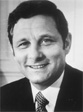
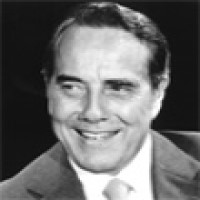
1980 -- Bayh-Dole Act provided for university technology transfer.
H.R.6933, Public Law: 96-517, December 12, 1980. A bill to amend title
35 of the United States Code. This Act known as the Bayh-Dole Act provided for the legal transfer of research and
technology originating from U.S. universities and federal laboratories to private
companies for commercialization. Technology transfer offices are now common in
universities and federal laboratories and are the technology foundation for numerous
biotechnology and medical device companies. (Photos: Birch Bayh and
Robert Dole courtesy U.S. Senate Historical Office)
1982 -- Chemical Heritage Foundation was established.
In 1980 a group of scientists and industrialists concluded that the time had come to found a
national history center devoted to the chemical and molecular sciences and industries. In 1982
the Center for the History of Chemistry (CHOC) was launched as a pilot project of the University
of Pennsylvania and the American Chemical Society (ACS). In 1984 the American Institute of
Chemical Engineers (AIChE) became the third sponsor.
In 1987 the Center was incorporated as a not-for-profit organization, now named the National
Foundation for the History of Chemistry, by joint action of the ACS and AIChE. In 1992 the
Chemical Heritage Foundation (CHF) assumed its present
name to better reflect the interdisciplinary nature of the sciences and industries it serves and
the widening public scope of its activities. The CHF serves the community of the chemical and
molecular sciences, and the wider public, by treasuring the past, educating the present, and
inspiring the future. Today CHF enjoys the endorsement and support of 29 affiliated
organizations.
1983 -- Orphan Drug Act was created.
The Orphan Drug Act
encouraged the research and development of drugs for rare or "orphan" diseases defined as a disease or condition that
affects fewer than 200,000 Americans.
The Orphan Drug Act provided for financial incentives to help companies recover the cost of developing much needed
therapies for small patient populations. The FDA estimates that more than 11 million patients in the U.S. and millions
more around the world, have benefited from this legislation.
1984 -- Alec Jeffreys and technician Vicky Wilson discovered minisatellites leading to the development of genetic fingerprinting.
In 1984, geneticist Sir Alec Jeffreys, and technician Vicky Wilson at the University of
Leicester in England discovered minisatellites leading to the development of genetic fingerprinting.
The new technology was first used in 1985 to resolve a disputed immigration case
that confirmed the identity of a British boy whose family was from Ghana.
In 1988, Colin Pitchfork was convicted of murdering two girls in 1983 and 1986 in
Narborough, Leicestershire, England after his DNA samples matched semen samples
taken from the two dead girls. Jeffreys' work in this case convicted the
killer, but also exonerated Richard Buckland, a suspect who otherwise might
have spent his life in prison. In 1994, Jeffreys' was knighted by Queen
Elizabeth II for his services to genetics.
1985 -- Michael Stuart Brown was awarded Nobel Prize in Medicine.
In 1973 Michael Brown and Joseph Goldstein discovered the receptor, or receiver,
in cells that takes in cholesterol and clarified how the conversion of cholesterol
is regulated by our genes and other substances. The discoveries became the basis
for statins, medications that reduce cholesterol levels in the blood.
1990 -- Human Genome Project was established.
The U.S. Human Genome
Project was established -- a 13-year effort coordinated by the U.S.
Department of Energy and the National Institutes of Health. The main goals of the
Human Genome Project were to provide a complete and accurate sequence of the 3 billion
DNA base pairs that make up the human genome and to find all of the estimated 20,000 to
25,000 human genes. The project, originally planned to last 15 years, was expected
to be completed by 2003 due to rapid technological advances.
1993 -- Biotechnology Industry Organization (BIO) was founded.
Biotechnology Industry
Organization is the world's largest organization to serve and represent the
biotechnology industry. BIO's leadership and service-oriented guidance have helped advance
the industry and bring the benefits of biotechnology to people everywhere.
1993 -- Kary B. Mullis was awarded Nobel Prize in Chemistry.
PCR allows scientists to quickly replicate small strands of DNA, greatly simplifying
the sequencing and cloning of genes. First presented in 1985, PCR has become one of
the most widespread methods of analyzing DNA. Notably, PCR requires the heat-stable enzyme
Taq (Thermus Aquaticus) which originated from hot springs located in Yellowstone
National Park.
1997 -- PA Early Stage Partners was founded.
PA Early Stage Partners, founded in 1997,
is a venture capital fund that seeks portfolio companies located in the corridor from New York to Washington, D.C., with a primary
focus on companies located in Pennsylvania. PA Early Stage invests in early stage Technology and Life Sciences companies,
typically as a lead or co-lead investor. PA Early Stage currently has approximately 30 active portfolio companies and more than
$235 million under management across three venture funds. PA Early Stage has been at the forefront of successfully accelerating
this innovation cycle and closing this "capital gap" in Pennsylvania and the surrounding region by making investments in
promising early stage ventures.
1997 -- Stanley B. Prusiner was awarded Nobel Prize in Medicine.
In 1982 Stanley Prusiner was able to isolate a suspected infectious agent,
a protein that he called a prion. He identified the gene behind the prion protein,
but determined that it is also present in healthy people and animals. Prusiner showed
that the prion molecules are folded in a different way than the normal proteins and \
that the folding of the prion can be transferred to normal proteins. This is the basis
for the illness.
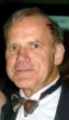
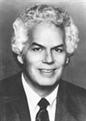
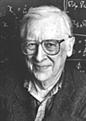
1998 -- John A. Pople was awarded Nobel Prize in Chemistry.
At the end of the 1960s, John Pople provided vital input on the use of computers
for such calculations, including the Gaussian computer program he developed. Using
various experimental data, the program can provide descriptions of molecules'
properties and the course of reactions.
2001 -- Human Genome Project draft sequence was published.
The February 16 issue of Science and February
15 issue of Nature contained the working draft of the human genome
sequence (U.S. Human Genome
Project). Nature papers included initial analysis of the descriptions of the sequence
generated by the publicly sponsored Human Genome Project, while Science publications focused
on the draft sequence reported by the private company, Celera Genomics.
2001 -- The Tobacco Settlement (Act 77 of 2001) signed into law.
Pennsylvania, in the largest life sciences research, development and commercialization
initiative ever funded by a single state, committed $2 billion in funding (19 percent from its
share of the national tobacco settlement) for the growth of the industry. Main components of the
initiative included a $1.6 billion investment in life sciences and biomedical research
(approximately $64 million per year for 25 years, starting in 2002), $100 million to seed three
Life Sciences Greenhouses and $60 million in venture capital funding to support commercialization
of demonstrated new life science business opportunities.
2002 -- PA Life Sciences Greenhouse Initiative was funded.
Each is a public/private partnership (affiliating government, business, universities and
economic development partners) intending to accelerate economic growth and create numerous jobs.
These objectives are being realized by leveraging discoveries in the life sciences through
accelerated technology transfer, shared lab and equipment opportunities, technology development
funding, gap funding for new start-ups, patent protection funding, relocation assistance,
business services and workforce development. The opportunities provided by this collaborative
approach to information sharing are enormous. Advances in regenerative medicine and tissue
engineering, bionanofabrication, advanced robotics, bioinformatics, accelerated platforms for
drug discovery and linked centers for clinical trials have been realized. The Greenhouse
Initiative provides an innovative mechanism for the commercialization of Life Science business
opportunities through transferring technology from research laboratories to entrepreneurial
start-up companies, enhancing collaboration between academic, entrepreneurial, corporate,
financial and governmental partners, and attracting new companies to the state.
2007 -- The National Institutes of Health established the Human Microbiome Project.
On Dec. 19, 2007, the Human Microbiome Project (HMP), a $150 million initiative, was established by the National
Institutes of Health with the mission of generating resources that would enable the comprehensive characterization of
the human microbiome and analysis of its role in human health and disease.
The HMP is the collection of all
the microorganisms living in association with the human body, including eukaryotes, archaea, bacteria and viruses.
Bacteria in an average human body number ten times more than human cells, for a total of about 1000 more genes
than are present in the human genome.
2009 -- LANXESS Corporation selected Pennsylvania for U.S. Headquarters.
LANXESS Corporation announced that it had chosen
Findlay Township, Allegheny County, outside Pittsburgh for its U.S. headquarters. The company
pledged to make Allegheny County the seat of its corporate headquarters and laboratories
for its U.S. businesses, including a portion of the sales and marketing office supporting its Akron, Ohio,
rubber marketing activities. The Pittsburgh headquarters will employ up to 435 persons. The company also pledged to
invest approximately $10 million in Pennsylvania over the next three years.
The Commonwealth agreed to make available to LANXESS up to $872,000 in a Pennsylvania Opportunity Grant,
$554,000 in job-training assistance, and $435,000 in job creation tax credits. Allegheny County pledged a
Community Development Block Grant of up to $200,000.
LANXESS was formed when the Bayer Group combined most of its chemical businesses and large segments of its
polymer activities. The company began operating as a legal entity in the United States on July 1, 2004.
LANXESS Corporation will be a member of the newly formed LANXESS Group. Bayer intends to divest itself of
LANXESS through a spin-off, which would lead to a distribution of LANXESS shares to Bayer AG shareholders.
In the United States, LANXESS products are manufactured at 10 sites: Addyston, Chardon, and Newark OH;
Birmingham and Trenton, NJ; New Martinsville, WV; Bushy Park Industrial Park and Wellford, SC; and Orange and
Baytown, TX.
Learn about the history of the life science industry in other states:
If you are aware of a notable event or person at your company or organization
that should be included in Pennsylvania Life Science History, please e-mail us
at: suggestions@inforesource.org.



 The
The 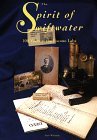


 It is estimated that between 25 and 40 million people died
from the the influenza outbreak that began in 1918, swept across America in a week and
around the world in three months. In all, between 500,000 and 700,000 Americans
--civilians and soldiers-- died from the influenza, more than were lost in World War I,
II, and the Korean and Viet Nam wars combined.
It is estimated that between 25 and 40 million people died
from the the influenza outbreak that began in 1918, swept across America in a week and
around the world in three months. In all, between 500,000 and 700,000 Americans
--civilians and soldiers-- died from the influenza, more than were lost in World War I,
II, and the Korean and Viet Nam wars combined.

 Listen to
 H. Keffer Hartline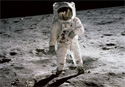

 Christian Boehmer Anfinsen
 Gerald Maurice Edelman

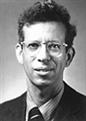
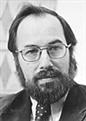 Howard Temin,
a Philadelphia native and graduate of Swarthmore College, and David Baltimore, also a graduate of
Swarthmore, were awarded the
Howard Temin,
a Philadelphia native and graduate of Swarthmore College, and David Baltimore, also a graduate of
Swarthmore, were awarded the 
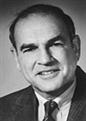
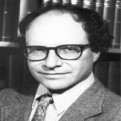



 The
The 
 John A. Pople was awarded the
  On Dec. 19, 2007, the